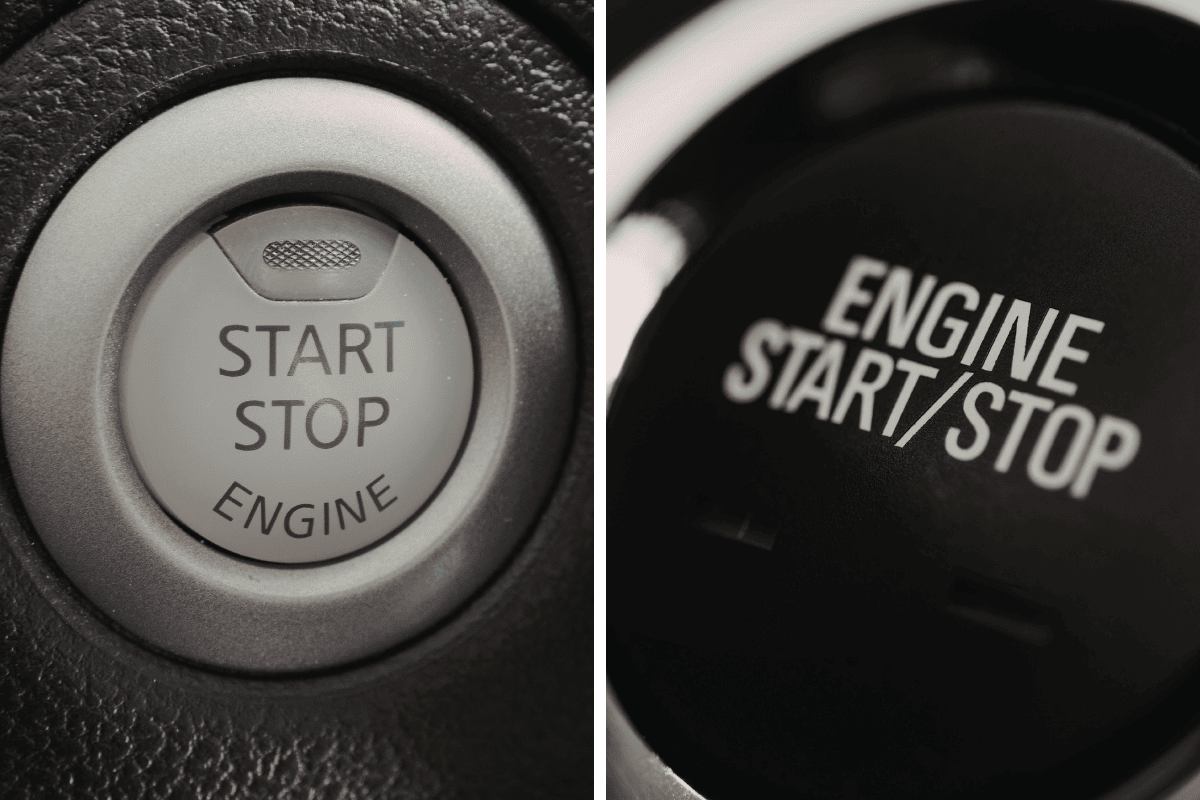
Automatic engine stop/start systems have long divided drivers. Some appreciate the fuel savings, while others find the engine cutting out at traffic lights annoying.
Now, in a major policy shift, the United States government has removed regulatory incentives that encouraged carmakers to install this feature. While the systems are not banned, the change could mean fewer American cars come with stop/start technology in the future.
What Is Automatic Engine Stop/Start?

Automatic stop/start systems switch off a car’s engine when it comes to a complete stop — such as at traffic lights — and restart it when the driver lifts their foot off the brake or presses the clutch.
The goal is simple:
- Reduce fuel consumption
- Lower tailpipe emissions
- Improve overall efficiency in city traffic
Over the past decade, many manufacturers added this feature as a cost-effective way to meet stricter fuel economy and emissions standards.
Why Has the EPA Changed the Rules?

The change comes from the Environmental Protection Agency (EPA), which confirmed it will no longer award “off-cycle credits” for stop/start systems.
Previously, carmakers earned compliance points for fitting fuel-saving technologies like automatic stop/start. These credits helped them meet federal greenhouse gas targets.
Under a final rule signed in February 2026, the EPA eliminated these credits as part of a broader rollback of emissions regulations introduced by earlier administrations.

EPA Administrator Lee Zeldin described the move as part of the “single largest deregulatory action in US history.”
What Is the Endangerment Finding?
The rollback also removes the long-standing “Endangerment Finding.” This legal foundation, established in 2009, allowed federal regulation of greenhouse gas emissions from vehicles.
According to Zeldin, the change reduces what he described as consumer restrictions and hidden costs tied to climate regulations.
While the decision does not ban stop/start systems, it removes financial and regulatory incentives for manufacturers to include them as standard equipment.
What This Means for US Drivers
Without compliance credits, automakers may rethink whether stop/start systems are worth installing across entire model ranges.
Possible outcomes include:
- Stop/start becoming optional rather than standard
- Some models dropping the feature entirely
- Reduced emphasis on small fuel-saving technologies
Many drivers in the US have criticised stop/start systems for:
- Delayed engine response
- Perceived wear on components
- General inconvenience
With fewer regulatory pressures, manufacturers may respond to consumer preference instead of emissions targets.
Why Manufacturers Adopted Stop/Start in the First Place
For car companies, stop/start systems were a relatively low-cost way to improve official fuel economy ratings without redesigning engines.
Compared to developing hybrid or electric powertrains, adding stop/start was simpler and cheaper.
It helped manufacturers:
- Meet federal fuel standards
- Avoid financial penalties
- Improve emissions performance
Now that those regulatory rewards are gone, the business case may weaken.
What About Australia?
For Australian buyers, the situation is different.
Australia is tightening its vehicle emissions rules under the New Vehicle Efficiency Standard (NVES). This framework aims to reduce fleet-wide CO₂ emissions.
Because of this:
- Fuel-saving technologies remain important
- Stop/start systems are likely to continue
- Manufacturers still need tools to lower emissions
So while American drivers may see fewer cars shutting off at traffic lights, Australian motorists should not expect the same change anytime soon.
The Bigger Picture
The EPA’s decision reflects a broader shift in US environmental policy under the Trump Administration. By reducing regulatory incentives and rolling back previous emissions rules, the government is giving automakers more flexibility.
However, global car markets are interconnected. Many manufacturers design vehicles for multiple regions, meaning stop/start systems may continue simply because they are needed elsewhere.
FAQ
Q1. Is automatic stop/start banned in the US?
No. The EPA has removed incentives, but the system is not banned.
Q2. Why were stop/start systems popular?
They helped reduce fuel consumption and allowed carmakers to meet emissions targets.
Q3. Will carmakers remove stop/start from vehicles?
Some may make it optional or remove it from certain models, but it depends on market demand.
Q4. What is the Endangerment Finding?
It was a legal basis for regulating greenhouse gas emissions from vehicles since 2009.
Q5. Will Australian cars lose stop/start systems too?
Unlikely. Australia’s emissions rules remain strict, so manufacturers will continue using fuel-saving technologies.