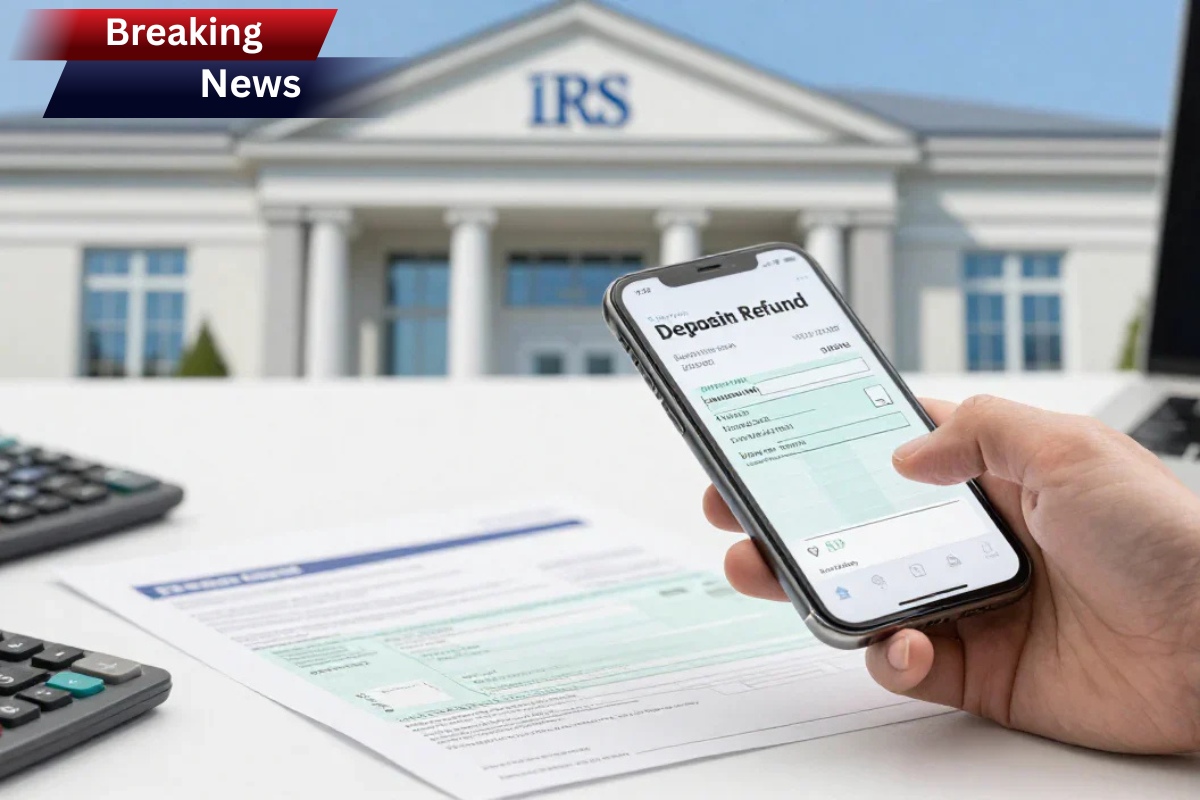
$2,000 Direct Deposit for March: The US government has announced a one-time $2,000 direct deposit to support families struggling with rising prices and daily expenses. Many households are still finding it difficult to manage costs like groceries, rent, electricity, and school needs.
To offer some relief, the Internal Revenue Service (IRS) has approved this special payment. As of March 12, 2026, the first round of deposits has already started reaching bank accounts across the country.

This payment is meant to help low and middle-income families manage financial pressure during the winter season. It is not a loan and does not need to be repaid. It is also different from a regular tax refund. Below, you will find simple and clear details about eligibility, payment dates, and how to make sure you receive your money on time.
Understanding the $2,000 Relief Payment
The $2,000 direct deposit is a federal relief initiative designed to reduce the burden of inflation. Prices of everyday items have increased over the past year, and this payment is meant to give families some breathing space.
Here are some important points to understand:
- It is a one-time payment.
- It is not connected to your future tax refund.
- You do not need to repay it.
- The IRS will use your 2024 or 2025 tax records to check eligibility.

Most people will receive the payment through direct deposit because it is the fastest method. If the IRS does not have your bank details, a paper cheque will be mailed later in March 2026.
Who Is Eligible for the $2,000 Payment?
Eligibility is mainly based on income and residency. The IRS will review your latest filed tax return to decide whether you qualify.
To receive the full $2,000:
- Single taxpayers must earn up to $75,000 per year.
- Married couples filing jointly must earn up to $150,000 per year.

If your income is slightly above these limits, you may receive a reduced amount. However, high-income earners above the phase-out range will not qualify.
Other important requirements include:
- You must have a valid Social Security number.
- You must have lived in the United States for at least six months in 2025.
- You should have filed your 2024 tax return or registered through the non-filer portal.
- Dependents listed on your tax return may increase your household benefit.
Payment Schedule and Timeline for March 2026
The IRS is sending payments in different rounds to manage the large number of transactions. Below is a clear overview of the expected payment dates.
Payment Dates Overview
| Payment Group | Disbursement Dates | Method |
|---|---|---|
| Round 1 | Mar 6 to Mar 12, 2026 | Direct Deposit |
| Round 2 | Mar 16 to Mar 20, 2026 | Direct Deposit |
| Final Digital Round | Mar 22 to Mar 24, 2026 | Direct Deposit |
| Paper Checks | Mar 27 to Mar 28, 2026 | US Mail |
If you have direct deposit set up and your tax return was processed early, you may already see the payment in your bank account. Some banks may show it as a pending transaction before it is officially credited.
Paper cheques will start being mailed from March 27, 2026. Delivery time depends on your local postal service, so it may take a few extra days.
How to Make Sure You Receive Your $2,000
For most taxpayers, no action is required. The IRS will automatically process the payment if you filed your 2024 tax return.
However, you should take action in the following situations:
- If you changed your bank account recently.
- If you moved to a new address.
- If you usually do not file taxes due to low income.
In these cases, log in to your IRS online account and update your details immediately. If you are a non-filer, use the official non-filer portal to register your banking and contact information.
Keeping your personal and banking details updated is the most important step to avoid payment delays.
Key Eligibility Requirements at a Glance
- Filed a 2024 tax return or used the non-filer portal.
- Annual income under $75,000 (single) or $150,000 (married filing jointly) for full payment.
- Valid Social Security number.
- US residency for at least half of 2025.
- Updated bank details for direct deposit.
The $2,000 March 2026 direct deposit is a welcome relief for millions of American families. With the cost of living rising steadily, even a single payment can help cover rent, groceries, school expenses, or pending bills. While the process is automatic for most people, it is very important to check that your tax and banking details are correct.
A small mistake in your information can cause unnecessary delays. Stay alert, keep your records updated, and monitor official IRS updates for any changes. This financial support is meant to provide quick help, and understanding the rules will ensure you receive your money smoothly and without stress.
FAQ
Who qualifies for the $2,000 March 2026 direct deposit?
US citizens and resident aliens who filed their 2024 tax return and fall within the IRS income limits are eligible.
When will the IRS start sending the $2,000 payments in March 2026?
Direct deposits began in early March 2026 and will continue in scheduled rounds throughout the month.
Do I need to apply separately for the $2,000 payment?
No, most eligible taxpayers will receive it automatically if their tax and bank details are updated.
What if I changed my address or bank account?
You should update your details through your IRS online account to avoid delays.
Can I get a partial payment if my income is slightly above the limit?
Yes, some taxpayers may receive a reduced amount depending on how much their income exceeds the threshold.