Tax season already makes people jittery. Now add a sweeping federal rule change, and suddenly even seasoned filers are double-checking their bank numbers twice.
For the 2026 filing season, the IRS has officially moved away from routine paper refund checks, following President Trump’s March 2025 executive order titled “Modernizing Payments To and From America’s Bank Account.”

The directive requires federal agencies to phase out paper-based payments in most cases, pushing Americans toward electronic transfers instead. The IRS and U.S. Treasury say it’s about efficiency, fraud prevention, and modernization. But on the ground, it means one simple thing: no bank details, no refund—at least not right away.
The End of the Paper Check Era
For years, the system worked like this: file electronically, include direct deposit information, and you’d typically receive your refund within 21 days. Forget your banking info? No problem. The IRS would default to mailing a paper check.
That fallback option is now largely gone.

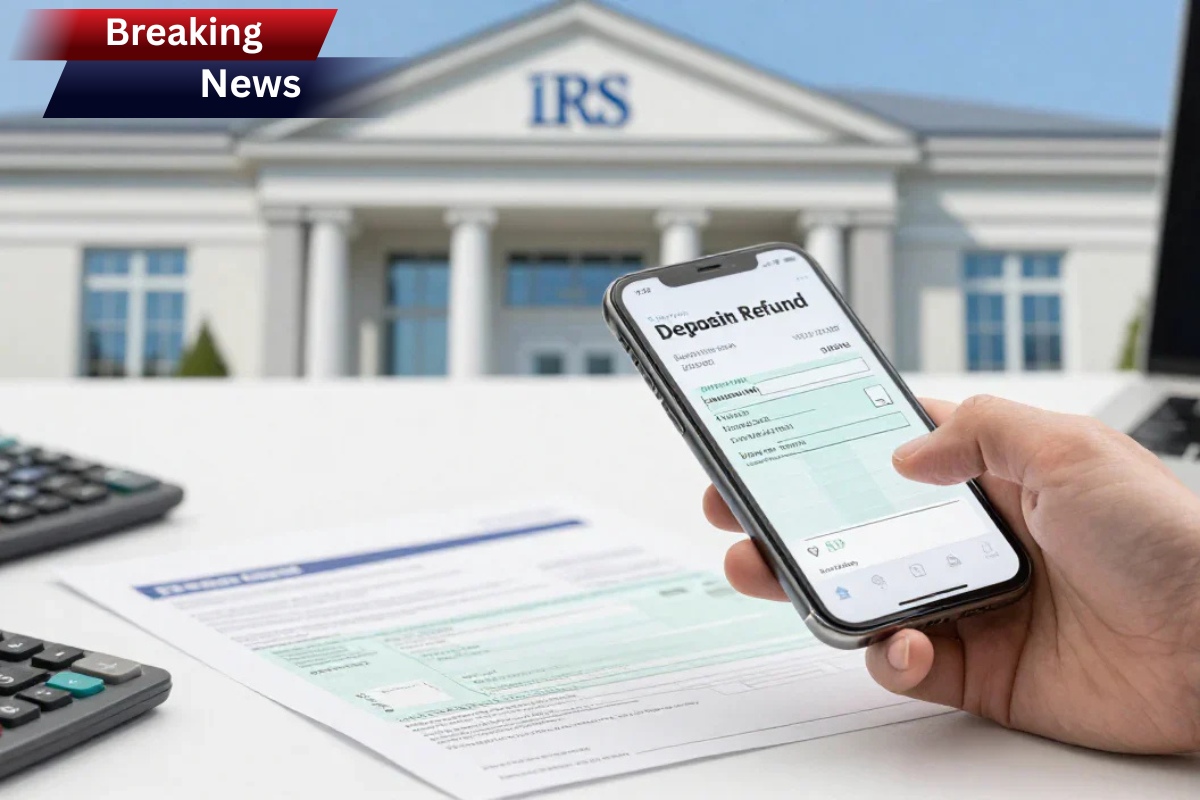
Under the new policy, refunds are issued by direct deposit as the default method. If taxpayers fail to include valid routing and account numbers—or if the deposit is rejected by their bank—the IRS freezes the refund.
Instead of automatically cutting a paper check, the agency sends a CP53E notice explaining the issue and requesting updated direct deposit information. The taxpayer then has 30 days to respond.
If there’s no response? A paper check may eventually be issued—but not before a delay that can stretch six weeks from the notice date.

The IRS has long encouraged direct deposit as the fastest and safest method. According to guidance at https://www.irs.gov/refunds, combining electronic filing with direct deposit remains the quickest way to receive funds. More than 90% of refunds historically arrive within 21 days when there are no errors.
Now, that “gold standard” is effectively the only standard.
Why the IRS Is Making This Shift
The Treasury Department has been moving toward digital payments for years. Lost checks, mail theft, fraud schemes, and processing costs have all pushed the government toward electronic disbursement systems.
Electronic refunds:
- Reduce fraud risk
- Lower administrative costs
- Minimize lost or stolen mail
- Speed up processing
The broader modernization effort is detailed across Treasury initiatives at https://home.treasury.gov and IRS operational updates at https://www.irs.gov/newsroom.
From a policy perspective, the logic is straightforward. But transitions aren’t always smooth.
What Happens If You Make a Mistake?
Let’s say you transpose a digit in your routing number. Or maybe you closed the account you listed on your return.
In previous years, the IRS would simply mail a check after a failed deposit. In 2026, that automatic conversion doesn’t happen.
Instead:
| Scenario | What Happens |
|---|---|
| No bank info provided | Refund frozen, CP53E notice issued |
| Incorrect bank info entered | Deposit rejected, refund frozen |
| Taxpayer responds within 30 days | Refund reissued via direct deposit |
| No response | Paper check mailed ~6 weeks after notice |
That freeze can significantly delay refunds—especially if the taxpayer doesn’t regularly monitor mail or their IRS online account at https://www.irs.gov/payments/your-online-account.
The CP53E Notice Explained
The CP53E notice is now a critical piece of the refund process.
It informs taxpayers that their refund has been stopped due to missing or incorrect banking information. The notice provides instructions on how to update details online or contact the IRS directly.
You have 30 days from the notice date to act.
Miss that window, and the paper check process kicks in—but slowly. Between mailing times and processing cycles, refunds could slip into late spring or even summer.
For families relying on refunds to pay off debt, cover rent, or rebuild emergency savings, that delay isn’t minor.
What About Taxpayers Without Bank Accounts?
The IRS says flexibility remains.
Taxpayers can use:
- Debit cards with routing and account numbers
- Certain prepaid cards
- Mobile payment platforms capable of receiving ACH deposits
As long as the account can accept direct deposit and provides valid routing information, it qualifies.
This matters for the unbanked and underbanked population. According to FDIC surveys, millions of U.S. households operate outside traditional banking systems. The IRS appears aware of this and has broadened acceptable electronic deposit options.
Still, it places more responsibility on taxpayers to ensure compatibility and accuracy.
How to Avoid Refund Delays
The IRS has laid out clear guidance—and this year, it’s not optional advice.
- Double-check direct deposit information:- Verify routing and account numbers carefully before submitting your return.
- File electronically:- E-filing remains faster and reduces error risk.
- Monitor your IRS account:- Set up and review your online account for notices or refund updates.
- Respond immediately to CP53E notices:- Waiting even a week can push your refund further back in the processing queue.
- The IRS puts it plainly:- if you don’t know your routing or account number, check a paper check or contact your bank before filing.
A Learning Curve for Some Taxpayers
While many Americans are comfortable managing finances digitally, not everyone is.
Older taxpayers, those with limited internet access, or individuals unfamiliar with IRS online systems may face hurdles. Phone assistance remains available, but wait times during peak season can be significant.
The modernization push reflects broader government trends. Social Security, unemployment benefits, and other federal programs have increasingly shifted to electronic payment systems over the past decade.
Tax refunds are simply the latest domino to fall.
The Bigger Financial Picture
Tax refunds remain a crucial financial lifeline. In recent filing seasons, the average federal refund has hovered around $3,000.
That money often funds:
- Credit card payoff
- Emergency savings
- Car repairs
- Rent or mortgage payments
- Medical bills
A processing delay of several weeks can ripple through a household budget.
For most taxpayers who file electronically and provide accurate banking details, the system should remain fast and efficient. But the margin for error has shrunk.
In past years, the fallback safety net was automatic. Now, it requires action.
The Bottom Line
The paper refund check isn’t completely extinct—but it’s no longer the default safety valve.
Taxpayers must now take extra care to provide correct direct deposit details and monitor IRS communications. The modernization push promises speed and security. But it also demands vigilance.
In a filing season already filled with deadlines and paperwork, one small mistake—a single digit in a routing number—could mean the difference between a three-week turnaround and a two-month wait.
Preparation isn’t just smart this year. It’s essential.
FAQs
Q. Is the IRS completely eliminating paper refund checks?
Paper checks are being phased out as the default method. They may still be issued in limited circumstances after a delay.
Q. What is a CP53E notice?
It’s a letter informing taxpayers that their refund is frozen due to missing or incorrect direct deposit information.
Q. How long do I have to respond to a CP53E notice?
You generally have 30 days from the notice date to provide updated banking information.
Q. Can I use a prepaid debit card for my refund?
Yes, as long as it provides valid routing and account numbers and accepts ACH deposits.
Q. What’s the fastest way to receive my refund in 2026?
File electronically and provide accurate direct deposit information.