Every year, millions of Americans rush to meet the federal tax deadline. For the 2025 tax year, the Internal Revenue Service has set April 15 as the official deadline for most individual taxpayers. If you follow the calendar year for reporting income, this date applies to you.
But what if you are not ready by mid-April? Missing documents, pending paperwork, or incomplete records can make filing stressful. In such cases, IRS Form 4868 can help — but only if you understand how it works.
What Is IRS Form 4868?

Form 4868 is officially called the “Application for Automatic Extension of Time To File U.S. Individual Income Tax Return.”
It allows taxpayers to request an automatic six-month extension to file their federal tax return.
If you submit Form 4868 before April 15, your new filing deadline becomes October 15.

However, there is one very important rule:
- An extension gives you more time to file — not more time to pay.
- If you owe taxes, your payment is still due by April 15.
How to File Form 4868
You must submit Form 4868 before the April 15 deadline. There are several ways to file:
- Electronically through IRS-approved e-file providers
- Using certified tax software
- Mailing a paper form to the IRS
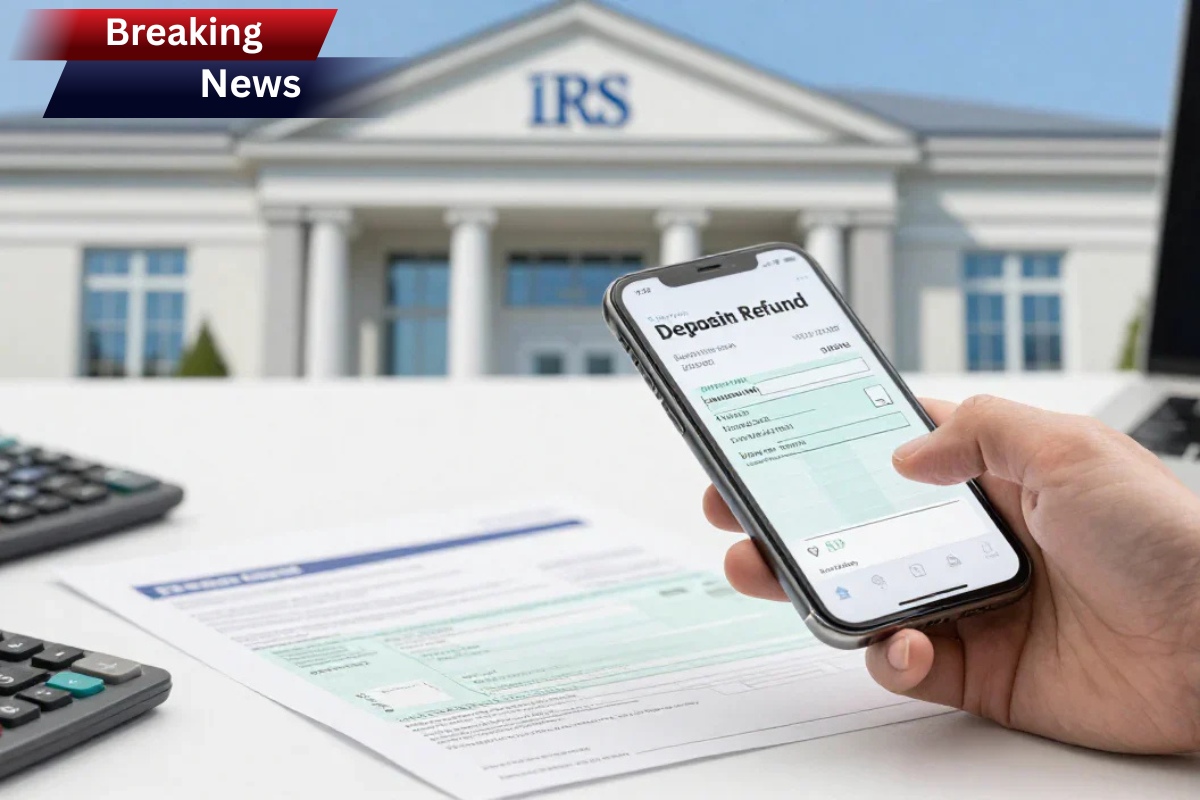
You may also qualify for an automatic extension simply by making an electronic tax payment marked as an extension payment through:

If you pay electronically and indicate it is for an extension, you may not need to submit a separate paper form.
When Should You Avoid Filing Form 4868?
Filing Form 4868 does not help if you are delaying your return because you cannot afford to pay your tax bill.
The extension only delays paperwork — not the payment deadline.
If you owe money and do not pay by April 15:
- Interest starts accumulating
- Failure-to-pay penalties may apply
The longer you wait, the more expensive it becomes.
If paying the full amount is difficult, it is usually better to:
- File your return on time
- Pay as much as you can
- Consider requesting a payment plan from the IRS
Ignoring the deadline makes the situation worse.
What Happens If You Don’t Pay by April 15?
Any unpaid tax after April 15 will:
- Accrue daily interest
- Be subject to failure-to-pay penalties
If you also fail to file and do not request an extension, you may face:
- Failure-to-file penalties
- Additional interest charges
The failure-to-file penalty is usually higher than the failure-to-pay penalty. That means not filing at all can cost you more than filing and paying partially.
Key Differences: Filing vs Paying
Here is a simple comparison:
- Action | Deadline | Extension Available?
- File tax return | April 15 | Yes, until October 15
- Pay taxes owed | April 15 | No extension
Understanding this difference is very important.
Who Should Consider Filing Form 4868?
You may benefit from filing an extension if:
- You are waiting for important tax documents
- You need more time to organize business records
- You experienced unexpected life events
- You want extra time to ensure accuracy
It is better to request an extension than to file a rushed return with mistakes.
Smart Tips for Taxpayers
To avoid last-minute stress:
- Gather W-2 and 1099 forms early
- Estimate taxes owed carefully
- Double-check bank details
- Keep digital copies of all documents
- File electronically for faster processing
Even if you plan to file an extension, try to calculate and pay your estimated tax bill by April 15.
IRS Form 4868 can be a helpful tool if you need more time to complete your tax return properly. It gives you breathing room until October 15, but it does not delay your tax payment. Many taxpayers misunderstand this rule and end up facing unnecessary interest and penalties.
If you owe taxes, pay as much as possible by April 15, even if you file for an extension. Staying organized, filing on time, and understanding IRS rules can protect you from costly mistakes. When used correctly, Form 4868 offers flexibility — but only for paperwork, not for payment.
FAQ
Q1. Does Form 4868 give me more time to pay my taxes?
No. It only extends the filing deadline, not the payment deadline.
Q2. What is the new deadline if I file Form 4868?
Your filing deadline moves from April 15 to October 15.
Q3. Will I face penalties if I do not pay by April 15?
Yes. Interest and failure-to-pay penalties may apply to unpaid taxes.
Q4. Can I file Form 4868 online?
Yes. You can e-file it through approved tax software or make an extension payment online.
Q5. Is it better to file an extension or file late?
It is always better to file an extension before the deadline rather than file late without one.