Every year, millions of Americans wait eagerly for their tax refund. For many families, it is the biggest lump sum payment they receive all year. In 2026, more than 160 million tax returns are expected to be filed, according to projections from the Internal Revenue Service. Even a small mistake on your return can delay your refund for weeks or increase your chances of getting an IRS notice.
The 2026 tax season officially opened on January 26. With the IRS using stronger digital systems and automatic income matching, accuracy is more important than ever. Let us understand the most common tax filing mistakes in 2026 and how you can avoid them.
Why Accuracy Matters in 2026 Tax Filing

In 2025, the average federal tax refund was over $3,000. For many households, that money helps pay bills, clear debts, or build savings. But if your return has errors, the refund may be delayed.
Today, the IRS cross-checks your income using W-2 forms, 1099 forms, and even past-year filings. If numbers do not match, your return may be flagged automatically.
Small business owners, freelancers, and gig workers face higher risk because income reporting is more complex. A mismatch or incorrect deduction can trigger notices or penalties.
Common Tax Filing Mistakes That Delay Refunds
Incorrect Personal Information

One of the most common mistakes is simple data entry errors.
Before filing, double-check:
- Social Security numbers for yourself and dependents
- Spelling of names
- Date of birth
- Bank account and routing numbers
- Filing status
The IRS system matches Social Security numbers with government databases. Even one wrong digit can freeze your return.

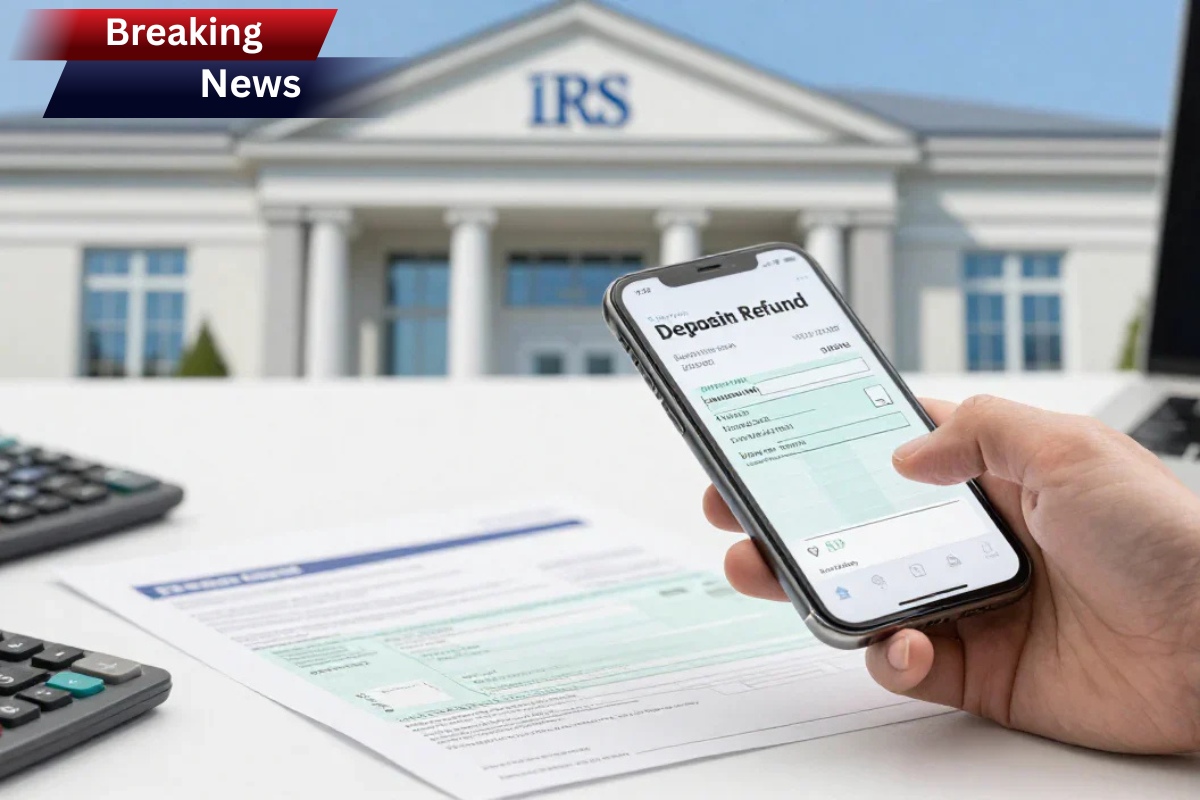
If you enter incorrect bank details, your direct deposit refund may fail. This can delay your money by several weeks.
Overstating Deductions or Business Losses
Self-employed taxpayers often make mistakes while claiming deductions.
The IRS allows only “ordinary and necessary” business expenses. Inflated claims for:
- Home office deductions
- Mileage
- Travel and meals
- Equipment purchases
can increase audit risk.
Gig workers receive 1099 forms from platforms. The IRS also gets copies of those forms. If you forget to report income, the system will detect it.
To stay safe:
- Keep proper receipts
- Maintain clear income records
- Separate personal and business bank accounts
- Track mileage correctly
Good documentation protects you if the IRS asks questions.
Failing to File When Required
Some people believe they do not need to file taxes because their income is low. But income limits depend on age and filing status.
For 2026:
- Single taxpayers under 65 must generally file if income exceeds $15,750
- Married couples filing jointly under 65 must file if income exceeds $31,500
Even if your income is below these limits, filing can help you claim refundable credits like:
Not filing could mean missing out on thousands of dollars.
Failure to file when required can result in penalties and interest. In some cases, the IRS may prepare a substitute return for you, which usually excludes deductions and credits.
How IRS Technology Is Changing Tax Filing
The Internal Revenue Service has upgraded its digital systems. It now uses automated matching tools to compare:
- W-2 wage reports
- 1099-NEC and 1099-K income
- Prior year filings
Electronic filing reduces errors because tax software checks for missing fields and calculation mistakes.
Benefits of e-filing:
- Faster processing
- Quick confirmation
- Fewer math errors
- Faster refunds through direct deposit
Paper returns take longer to process and are more likely to contain manual errors.
Smart Steps to Avoid an IRS Audit
Here is a simple checklist to reduce risk:
- Gather all documents early (W-2s, 1099s, mortgage statements, student loan interest forms)
- Double-check income numbers
- Do not guess deductions
- Keep digital or physical copies of receipts
- File before the deadline
- Consider consulting a certified tax professional if your return is complex
Accuracy and honesty are the best protection.
Why Refund Delays Happen
Most taxpayers will never face a full audit. However, refund delays are common when:
- Income numbers do not match IRS records
- Dependent claims overlap with another return
- Credits are incorrectly calculated
- Bank details are wrong
These are preventable mistakes.
The 2026 tax season is expected to be busy, with millions of returns processed in a short window. While tax filing may seem stressful, most problems come from small, avoidable errors. Double-checking your information, keeping proper records, and using electronic filing tools can make a big difference. Your tax refund is important, and protecting it should be a priority. With careful preparation and accurate reporting, you can reduce delays, avoid penalties, and file your taxes confidently in 2026.
FAQ
Q1. What is the most common tax filing mistake?
Incorrect Social Security numbers and income mismatches are among the most common errors.
Q2. How can I avoid a tax refund delay in 2026?
Double-check personal details, report all income, and use electronic filing with direct deposit.
Q3. Does overstating deductions increase audit risk?
Yes, inflated or unsupported deductions can trigger IRS review.
Q4. Should gig workers report all 1099 income?
Yes, the IRS receives copies of 1099 forms and cross-checks them automatically.
Q5. Is e-filing safer than paper filing?
Yes, e-filing reduces errors and speeds up refund processing.