Many taxpayers in the United States may now have to wait longer to get their tax refunds. This change is linked to a new rule introduced by the government in 2025. If you usually receive your refund through a paper check, you might face delays of several weeks. On the other hand, people who choose direct deposit can still expect faster payments. Let’s understand what this new rule means and how it may affect you.
Why Are Tax Refunds Getting Delayed?
In March 2025, President Donald Trump signed an executive order called “Modernizing Payments To and From America’s Bank Account.” This order officially came into effect in September 2025.

The order directs the Secretary of the Treasury to stop sending and accepting paper checks for federal financial transactions. This includes tax refunds handled by the Internal Revenue Service (IRS).
The goal of this rule is to make government payments faster, safer, and more efficient by moving everything to digital payment methods.
How Will This Affect Your Tax Refund?
The IRS has clearly explained what taxpayers can expect:
If You Choose Direct Deposit
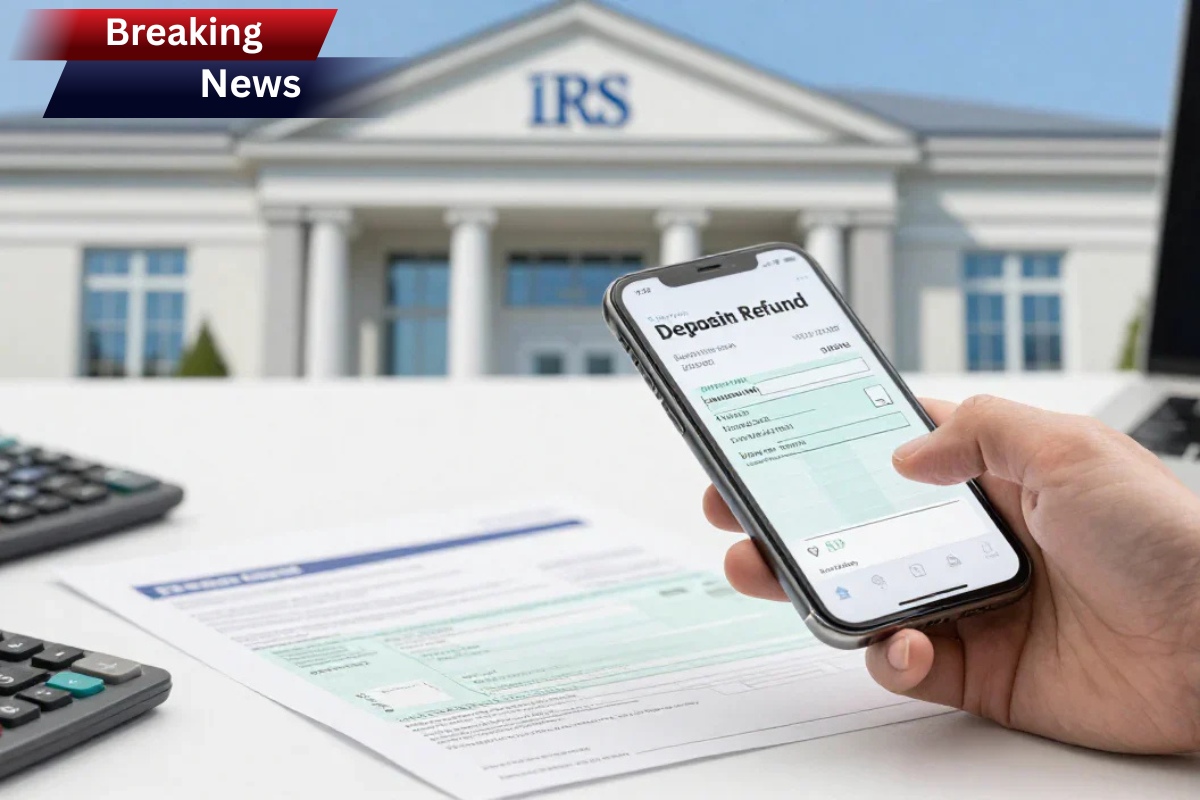
- Your refund will usually be issued within 21 days after your tax return is accepted.
- It is the fastest and safest way to receive your money.
- There is less risk of loss, theft, or delay.
If You Choose Paper Check
- You may have to wait up to six weeks to receive your refund.
- Paper checks are being phased out.
- Delivery delays are possible due to postal processing.

Here is a quick comparison:
| Payment Method | Expected Time | Risk Level | Recommended? |
|---|---|---|---|
| Direct Deposit | Within 21 days | Low | Yes |
| Paper Check | Up to 6 weeks | Higher | Not advised |
What Happens If You Enter Wrong Bank Details?
If you choose direct deposit but accidentally enter the wrong bank account information, the IRS will:
- Freeze your refund temporarily.
- Give you 30 days to contact them.
- Allow you to either correct the bank details or request a paper check.
If you do not respond within 30 days, the IRS will automatically send a paper check. In that case, you may again have to wait up to six weeks.

So it is very important to double-check your bank details before submitting your tax return.
Why Did the Government Stop Paper Checks?
According to the White House, paper-based payments are costly and risky. The government shared several reasons behind this decision:
- Paper checks are 16 times more likely to be lost, stolen, altered, or returned undelivered compared to electronic transfers.
- In Fiscal Year 2024, maintaining paper payment systems cost taxpayers over $657 million.
- Paper payments cause delays and increase the risk of fraud.
- Digital payments are faster and more secure.
The order aims to improve operational efficiency and reduce unnecessary expenses. Since federal payments move in and out of the United States General Fund — often referred to as “America’s bank account” — the government wants a more modern system.
Benefits of Switching to Direct Deposit
If you have not yet chosen direct deposit, here are some advantages:
- Faster refunds
- Safer transactions
- No risk of lost mail
- Easy tracking
- Environment-friendly (less paper use)
For most taxpayers, direct deposit is now the best option to avoid long waiting times.
Important Tips for Taxpayers
To avoid refund delays, keep these points in mind:
- Always file your tax return accurately.
- Double-check your bank account number and routing number.
- File early to avoid peak-season delays.
- Track your refund status using official IRS tools.
These small steps can help you receive your refund smoothly and without stress.
Tax refunds are important for many families who depend on that extra money for savings, bills, or expenses. While the government’s decision to reduce paper checks may cause inconvenience for some people, it is mainly aimed at improving security and reducing costs in the long run. Digital payments are faster, safer, and more reliable.
If you want to avoid waiting for weeks, choosing direct deposit and carefully checking your bank details is the smartest move. Understanding these changes early will help you stay prepared and avoid unnecessary delays in getting your hard-earned money.
FAQ
Q1: Why is my IRS tax refund delayed in 2025?
Your refund may be delayed if you chose a paper check. Due to the new executive order, paper payments take up to six weeks.
Q2: How long does direct deposit take for IRS refunds?
If you choose direct deposit, your refund is usually sent within 21 days after your return is accepted.
Q3: What happens if I enter the wrong bank account details?
The IRS will freeze your refund and give you 30 days to correct the information. If not corrected, you will receive a paper check.
Q4: Are paper checks being stopped completely?
The government is moving away from paper checks to improve efficiency and reduce fraud, encouraging digital payments instead.
Q5: Is direct deposit safe for tax refunds?
Yes, direct deposit is considered safer and faster than paper checks and reduces the risk of theft or loss.