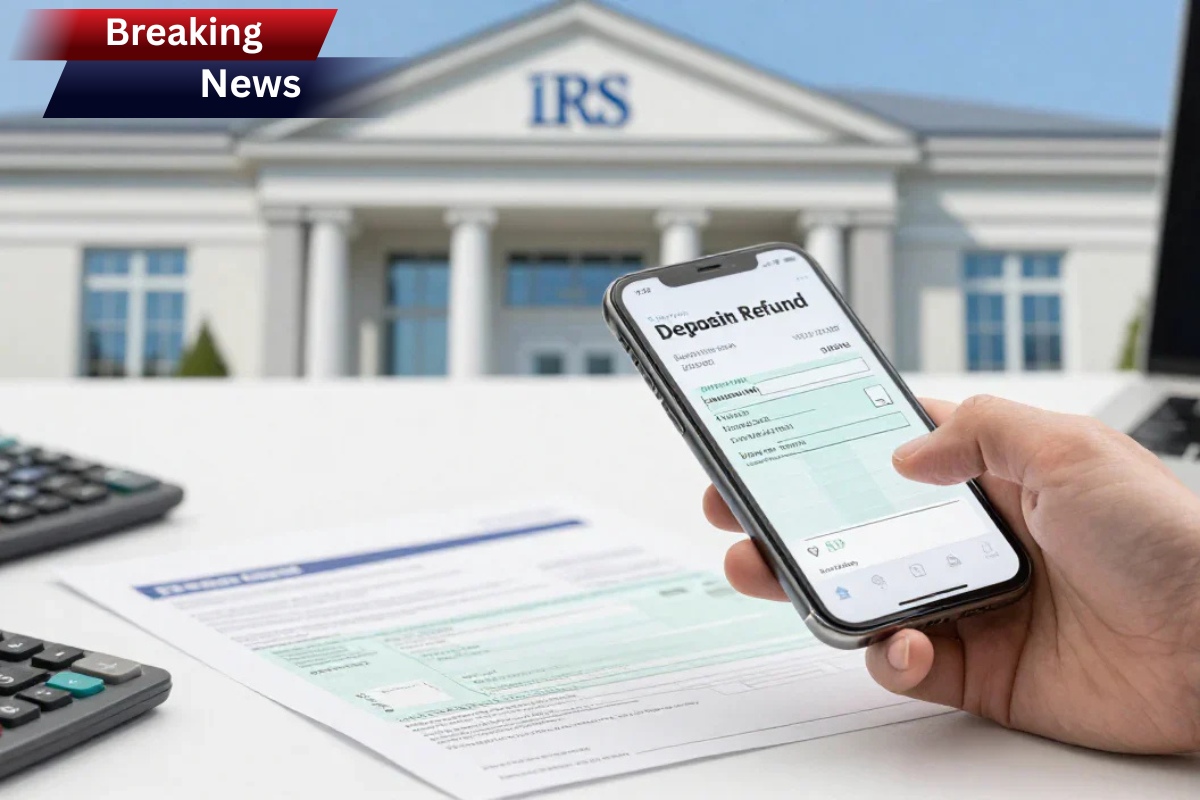
The way Americans get their tax refunds is quietly changing—and for some filers in 2026, that shift could mean unexpected delays. The Internal Revenue Service is moving aggressively toward a digital-first payment system, and one major casualty is the automatic paper refund check. Starting with 2025 tax returns processed in 2026, refunds will default to direct deposit.
If taxpayers fail to provide valid bank account and routing information when filing, the IRS won’t simply mail a check like it did in prior years. Instead, refunds could be frozen—sometimes for weeks. For households counting on that annual payout, this isn’t a small administrative tweak. It’s a procedural shift that could slow cash flow right when many families need it most.
What’s Changing in 2026?

The IRS and the U.S. Treasury Department have been modernizing federal payment systems, pushing electronic delivery as the standard. According to IRS guidance, direct deposit is now the default method for issuing refunds whenever possible.
In past filing seasons, if a taxpayer omitted banking details or made an error, the IRS would typically issue a paper check automatically. That fallback option is now being phased out.
Under the updated process:
- Refunds will be processed by direct deposit by default.
- If no valid bank account information is provided, the IRS will pause the refund.
- Taxpayers must actively provide correct banking details before payment is released.

This change applies to individual income tax returns for the 2025 tax year, filed and processed in 2026.
The IRS has consistently encouraged electronic filing and direct deposit through IRS.gov, noting that it is the fastest and most secure way to receive a refund. According to filing season statistics published at https://www.irs.gov/statistics/filing-season-statistics, direct deposit refunds are typically issued within 21 days for electronically filed returns—far quicker than paper processing.
But the new policy means missing bank details could now trigger a hold instead of an automatic mailed check.
What Is a CP53E Notice?

When a refund is frozen due to missing or incorrect banking information, the IRS issues a CP53E notice.
The CP53E letter explains that the refund has been stopped and provides instructions for submitting correct direct deposit information through the taxpayer’s online IRS account. The notice typically gives taxpayers 30 days to respond.
More information about IRS notices and letters can be found directly on the agency’s official page at https://www.irs.gov/individuals/understanding-your-irs-notice-or-letter.
Here’s how the timeline works:
| Step | What Happens | Timeline |
|---|---|---|
| Refund processed without valid bank info | IRS freezes payment | Immediate hold |
| CP53E notice issued | Taxpayer notified to update info | Letter mailed |
| Response window | Taxpayer has 30 days to respond online | 30 days |
| No response | Paper check issued | About 6 weeks after notice date |
If taxpayers respond within the 30-day window and provide accurate information through their IRS online account (https://www.irs.gov/payments/your-online-account), the refund can be released via direct deposit.
If they do nothing, the IRS will eventually issue a paper check—but only after the delay period expires, which can stretch the timeline by several weeks.
In other words, silence equals slower money.
Why the IRS Is Pushing Direct Deposit
From the government’s perspective, electronic payments reduce fraud risk, lower administrative costs, and speed up delivery. The U.S. Treasury has steadily shifted toward digital disbursements across federal programs.
Direct deposit also reduces the risk of lost or stolen checks—a persistent issue in high-volume refund seasons. Paper checks can be delayed by postal backlogs or misdirected due to outdated addresses.
But the policy change does introduce friction for taxpayers who:
- Prefer paper checks
- Do not have traditional bank accounts
- Accidentally omit banking details when filing
- Enter incorrect routing or account numbers
For those filers, the CP53E freeze can feel like a bureaucratic speed bump—especially if they’re not actively monitoring their mail or IRS account.
How to Avoid Refund Delays in 2026
The IRS has outlined practical steps to avoid these freezes. And honestly, none of them are complicated—but they require attention.
1. Provide Accurate Direct Deposit Information
Before filing, double-check your routing number and account number. Even a single digit error can cause processing issues.
If you use tax software, review the banking section carefully before submitting your return.
2. File Electronically and Early
E-filing reduces errors and speeds up processing. The IRS repeatedly emphasizes that electronic filing combined with direct deposit is the fastest route to a refund.
Paper returns take significantly longer and may increase the likelihood of manual processing delays.
3. Monitor Your IRS Online Account
Creating and checking your IRS online account at https://www.irs.gov/payments/your-online-account allows you to see refund status updates and respond quickly to notices like CP53E.
Many taxpayers ignore IRS letters until weeks have passed. In this new system, timing matters.
4. Respond Immediately to CP53E Notices
If you receive a CP53E notice, act quickly. You have 30 days to provide updated bank information online.
Waiting could push your refund back by more than a month.
Who Could Be Most Affected?
Lower-income households and taxpayers claiming refundable credits—like the Earned Income Tax Credit (EITC) or Additional Child Tax Credit—often rely heavily on refunds. According to IRS data, the average refund in recent seasons has hovered around $3,000.
For many families, that’s rent, groceries, debt repayment, or a financial reset button.
Delays of several weeks can ripple through household budgets, particularly in an environment where inflation has strained savings.
Unbanked taxpayers may face additional hurdles. While prepaid debit cards and certain financial apps can accept direct deposits, accuracy and compatibility matter. Incorrect entries can still trigger freezes.
Bigger Picture: Modernization With Trade-Offs
The IRS has been undergoing a multiyear modernization effort, backed by funding from the Inflation Reduction Act. Technology upgrades aim to streamline processing and reduce backlogs that plagued the agency during the pandemic years.
Moving away from paper is part of that strategy.
But modernization often comes with adjustment pains. The phase-out of automatic paper checks removes a fallback option that many taxpayers assumed would always exist.
Now, the responsibility shifts more heavily onto filers to provide accurate digital payment details upfront.
For 2026 filers, the message is simple but urgent: if you want your refund fast, treat your bank information like it’s the most important line on your return—because it might be.
A missing routing number could mean weeks of waiting.
And in tax season, waiting is the last thing most Americans want.
FAQs
Q. Will the IRS stop issuing paper refund checks entirely in 2026?
Paper checks are not eliminated, but they will no longer be automatically issued if bank details are missing. Refunds may be paused first.
Q. What is a CP53E notice?
It is an IRS letter sent when a refund is frozen due to missing or incorrect direct deposit information.
Q. How long do I have to respond to a CP53E notice?
You generally have 30 days from the notice date to submit accurate banking details online.
Q. What happens if I ignore the CP53E notice?
The IRS will eventually issue a paper check, typically about six weeks after the notice date.
Q. How can I prevent refund delays in 2026?
File electronically, provide accurate bank details, monitor your IRS account, and respond quickly to any IRS notices.